


Protecting the Village Horizon
A Neighbor’s Guide to View Preservation
Phase 1:
Initial Filing & “Evidence of View”
Phase 1a:
Scheduling Mediation

Phase 1b:
Mediation & Site Visits
Phase 1: Initial Filing & “Evidence of View”
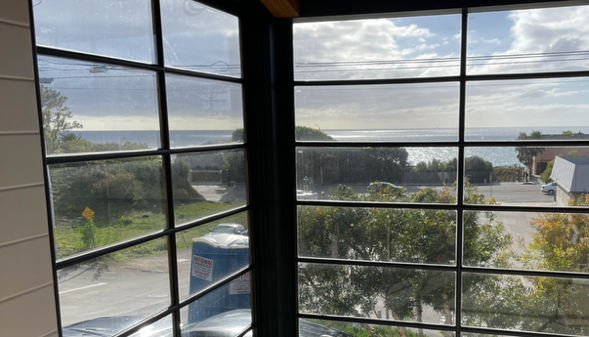
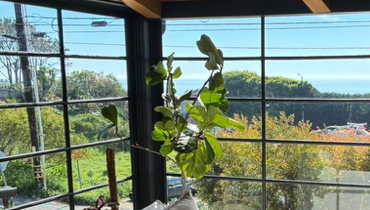
First, try to resolve the view issue directly with the vegetation owner. If that does not work, file a Notice of Intent to File with evidence of your prior contact, photographs of the pre-existing view from an eligible location in the residence (google street view does not count), and photographs of the current obstruction. City staff arranges site visits and mediation. The City form asks applicants to offer meeting dates at least 60 days after submitting the form; this is a scheduling requirement, not a 60-day deadline to settle.
- How to File:
- Fill out the Notice of Intent to File
- Have prior evidence that you’ve asked your neighbor and tried to resolve the issue civilly
- A historical photo from inside your residence when the view was not blocked, and a current view with the impairment
- View the full requirements on city’s view restoration page
- Submit via the Laguna Beach Public Permitting Portal or in person at the Community Development Department (505 Forest Avenue).
- Fill out the Notice of Intent to File
- The Cost: $748.00 Initial Filing Fee.
- The Golden Rule: Photos must be taken from inside the primary residential structure (e.g., your living room).
- Compliant Evidence: You cannot use Google Street View or third-party images.
- Comparative Proof: You must submit “Pre-existing” photos (showing a clear view) and “Current” photos (showing the impairment) from the exact same interior location.
- Notification: The City will mail a formal mediation letter to the vegetation owner via certified mail.
- The Site Visit: A prerequisite for mediation where the planner and mediator review the site conditions and vegetation health in person.
- The Session: A collaborative meeting facilitated by a neutral mediator to reach a trimming agreement that respects both the view and the neighbor’s privacy/landscape.
- Outcome: After the mediation meeting the homeowners may come to an agreement, or the process will need to continue to Phase 2 with a hearing in front of the View Restoration Committee.
- Resources: View Restoration Preservation Overview | View Preservation Application
Phase 2: Formal View Restoration Application and Hearing
If mediation does not produce an agreement, the claimant may file a separate Formal View Restoration application. This requires a second filing fee. Staff prepares the case for a noticed hearing, and the View Restoration Committee visits the claimant’s property, considers both sides’ evidence, and decides whether the ordinance’s required findings are met. Showing that vegetation blocks part of a view is important evidence; the committee must also determine whether the impairment of a proven pre-existing view is significant and consider the vegetation’s benefits.
- The Process: If mediation is refused or does not resolve the dispute, the claimant may file a separate Formal View Restoration application.
- Fee: The City’s guide lists a $1,048 base filing fee. Its application form lists an additional $455 for each additional claimant or vegetation owner. Confirm the current total with City staff.
- Hearing: A hearing will take place in front of the View Restoration Committee.
- Resources: View Restoration Process Flowchart
Phase 3: Restoration Order and Initial Work
If the committee approves a restoration order, it specifies the work needed to restore the pre-existing view. The claimant generally funds the initial work through a City-held deposit, subject to the ordinance’s cost-allocation rules. The work is performed or supervised by a qualified arborist, and City staff checks compliance. An order that retains vegetation includes a long-term maintenance schedule.
- Resources: Mediation Guidelines
Phase 4: Formal Record of Views
If mediation succeeds, put the agreement in writing and have both parties sign it. Once the vegetation is trimmed and the view is clear, apply for a Record of Views. City staff will photograph the view from selected locations inside your residence and keep that record in the property file. The City also notifies affected vegetation owners.
The record establishes a benchmark for assessing future significant view impairments. If vegetation later obstructs the recorded view, notify the City. Staff will assess the impairment under the view preservation procedure; you do not need to start the initial mediation process again. A Record of Views does not automatically set a maximum height for every plant.
- The Cost: The City’s July 2022 Record of Views guide lists a $1,048 application fee. You must also pay a noticing list agency directly to prepare the list of affected properties. Confirm both current costs before applying.
- Benefit: Creates a City-recorded benchmark for assessing future significant view impairment.
- Resources: Recording Procedures & FAQ
Phase 5: Long-Term Maintenance
Ongoing compliance is key to avoiding future disputes.
- The Standard: Owners are responsible for maintaining vegetation to the agreed-upon height. If the owner fails to maintain the standard, it becomes a Code Enforcement matter.
- Resources: Maintenance Standards
Appeals to the City Council
The View Restoration Committee’s decision can be appealed by either the view claimant or the vegetation owner. An appeal must be filed with the City Clerk within 14 calendar days of the committee’s decision, using the City’s appeal form, stating the grounds for appeal, and paying the applicable fee. The City Council holds a noticed public hearing on the appeal.
If no appeal is filed, the committee’s decision takes effect 14 calendar days after adoption of its resolution. After the City’s appeal process, a party seeking to challenge a final decision in court must follow the applicable judicial-review rules and deadlines; court review is separate from a City Council appeal.
The City’s published View Restoration Notice of Appeal form lists a $2,000 appeals filing fee. Confirm the current fee with the City Clerk before filing, as fees are set by Council resolution.